Welcome to Shandong Leto Automobile Technology Co., Ltd

Views: 0 Author: Li Publish Time: 2026-01-19 Origin: Site
The year 2025 marked a genuine tipping point: new energy vehicle (NEV) penetration in China officially crossed 50%. What this figure signals is the real arrival of an era where electric cars are no longer the alternative but the mainstream choice. With charging piles now commonplace and driving ranges comfortably exceeding 500 kilometers, “range anxiety” has largely faded from the list of buyer concerns. The collective rise of domestic automakers and the fierce competition among them have completely rewritten the rulebook.
Behind the impressive sales numbers, however, the “electrification” wave is maturing. This very maturation has officially kicked off the next-phase battle: intelligentization. Every manufacturer is touting smart features, with no shortage of hype and marketing buzzwords. Yet, when consumers actually sit behind the wheel, many find that city pilot-assist systems still require constant supervision, with sudden brakes and misjudgments occurring more often than advertised. Technology is advancing, but the actual experience often lags behind the marketing promises.
A more critical shift is expected in 2026. With adjustments to purchase-tax incentives and subsidy policies, the electric vehicle industry faces a turn from “policy-supported growth” to “self-sustaining competitiveness.” Winning will depend not only on hard tech like advanced driving systems but also on softer, often overlooked strengths—the overall user experience.
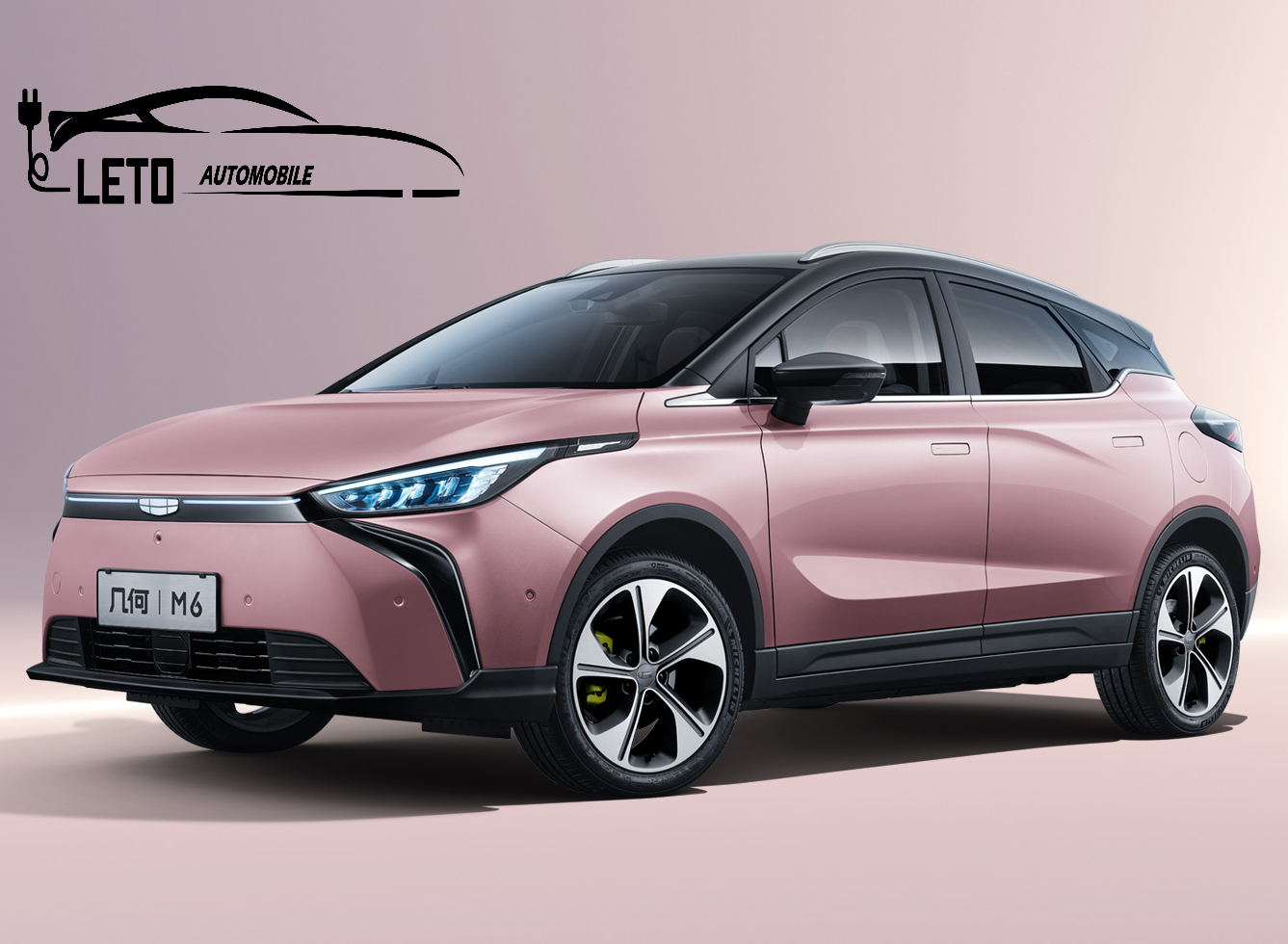
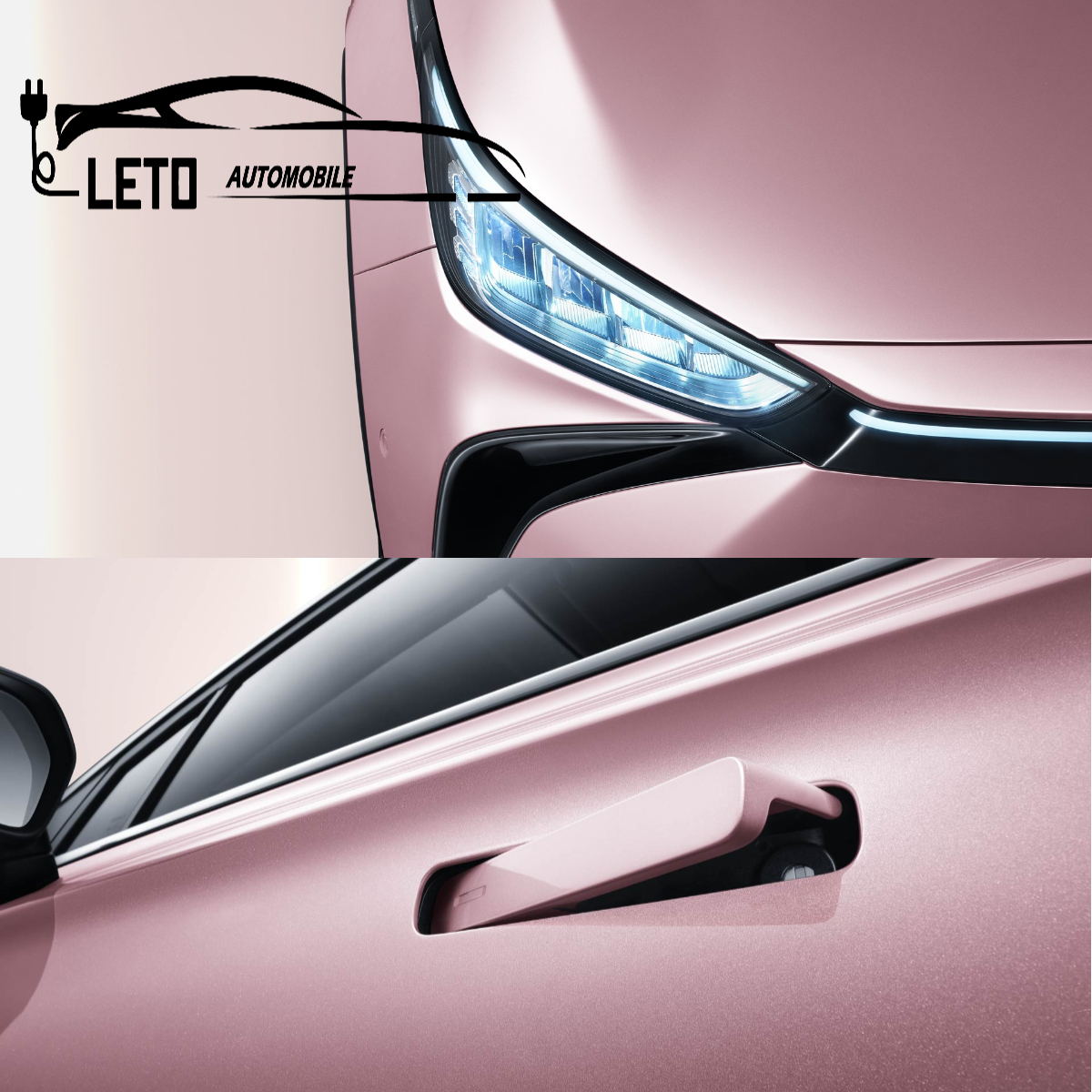
In 2025, the battery car truly took center stage. China’s NEV market penetration broke past the 50% threshold, even reaching 59.5% in November. Put simply, for every 100 automobiles sold, nearly 60 were new-energy models.
This “electrification takeover” was supported by two key factors. First, the charging infrastructure expanded rapidly: by the end of November 2025, China had about 19.32 million public charging points, a 52% year-on-year increase. Battery-swap stations surpassed 5,000 by year-end, and over 98% of highway service areas were equipped with chargers. Second, driving ranges continued to grow: most new electric vehicle models offered between 500 to 700 kilometers per charge, with some premium versions exceeding 1,000 kilometers.
The deeper change lay in the competitive landscape. Tesla’s retail sales in China fell 4.8% year-on-year to around 625,900 units in 2025, ending its era of dominance in the local EV market. In its place, domestic brands rose powerfully, while their internal rankings shifted dramatically.
Currently, China’s new energy car scene shows a “one superpower, multiple strong players” pattern. BYD is the undisputed leader, selling 3.484 million units in 2025 and holding a 27.2% market share despite a slight sales dip. Other traditional automakers gained momentum through their electric transitions: Geely Auto ranked second with 1.564 million units (up 81.3%), largely driven by its Galaxy series, while Changan Auto came third with 789,100 units (up 26.8%).
Among newer players, several dark horses emerged. Leapmotor sold 529,500 units, an 86.3% surge, making it the top performer among start-ups. Xiaomi Automobile entered the top-ten sales chart in its first full year, delivering 411,800 units—a staggering 200.9% increase. Meanwhile, some previously high-flying names like Li Auto dropped off the annual ranking entirely.
As the market crowds, differentiation is moving beyond range numbers into tangible design and cabin experience. For families, interior space and comfort have become decisive factors. Many popular electric vehicle models now boast wheelbases exceeding 2.9 meters, rivaling traditional mid-size sedans and SUVs in interior roominess. Cargo space is also a key selling point; several battery car models offer frunk (front trunk) storage in addition to a generous rear trunk, a practical advantage over most internal-combustion vehicles.
Inside, configurations are becoming increasingly standardized yet sophisticated. Heated and ventilated front seats, panoramic sunroofs, and premium audio systems are now common even in mid-priced new energy car models. Where brands are trying to stand out is in modularity and digital ecosystems. Adjustable rear seats, reclining functions, and advanced climate control systems tailored for electric vehicle cabins are being highlighted as part of the premium package. After all, when you’re spending more time in your car due to commuting or waiting while charging, interior comfort isn’t just a luxury—it’s a necessity.
The coming year will test the industry’s true resilience. Preferential purchase taxes on NEVs, which helped spur adoption, are being gradually phased out or reduced. Subsidies are becoming more targeted. This means electric vehicle makers can no longer rely on financial incentives alone to attract buyers; they must prove their automobiles offer compelling value without heavy policy support.
This shift will likely accelerate a focus on total cost of ownership, battery longevity, and software-update value. Companies that can deliver reliable, comfortable, and tech-savvy car experiences—without overpromising on full autonomy—will likely build stronger loyalty. The “hardcore” battle isn’t just about who has the longest range or flashiest launch anymore; it’s about who can integrate space, smart tech, and daily usability into a cohesive package that feels worth the price tag.