Welcome to Shandong Leto Automobile Technology Co., Ltd

Views: 0 Author: Li Publish Time: 2025-12-22 Origin: Site
A significant chapter in China's support for electric mobility is drawing to a close, with direct implications for consumers. After years of complete exemption to spur adoption, a vehicle purchase tax will be reinstated on new energy car purchases starting in 2026. However, the transition is designed to be gradual, retaining a substantial discount compared to traditional internal combustion engine vehicles. This policy shift marks a pivotal moment as the electric vehicle market moves from government-backed incubation towards mainstream, sustainable maturity. For anyone considering a battery car, understanding these coming changes is crucial for financial planning.
The current exemption, a powerful incentive in place since 2014, officially concludes at the end of 2025. According to a joint announcement by authorities including the Ministry of Finance, a new phase begins on January 1, 2026. For the two-year period spanning 2026 and 2027, buyers of qualified electric vehicles will see their purchase tax halved. The standard rate for this tax is 10% of the vehicle's price (excluding VAT), meaning the effective rate for most new energy car buyers during this window will be 5%.
The mechanics of the new policy are straightforward but include an important cap designed to target incentives effectively.
The Standard Calculation: For the vast majority of buyers, the math is simple. The tax payable will be 5% of the car's invoice price (before VAT). This directly reduces the upfront cost of acquiring a modern automobile compared to a fossil-fueled equivalent.
The 150,000 RMB Cap on Relief: To ensure fairness and prevent high-end models from absorbing disproportionate benefits, the policy sets a maximum tax reduction amount of 15,000 RMB per vehicle. This cap creates a clear pivot point at a purchase price of 300,000 RMB. For any electric vehicle priced at or below this threshold, the tax is a flat 5%. For a premium battery car priced above 300,000 RMB, the calculation changes: calculate 10% of the price, then subtract the maximum 15,000 RMB relief. For example, a 500,000 RMB new energy car would incur a 35,000 RMB tax (50,000 RMB minus 15,000 RMB).
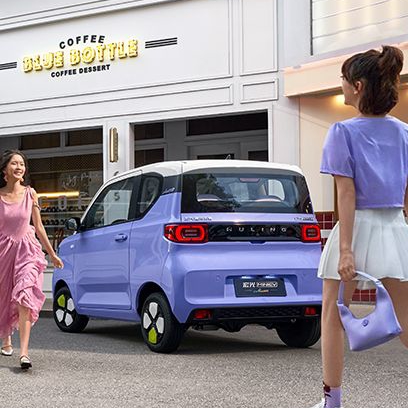
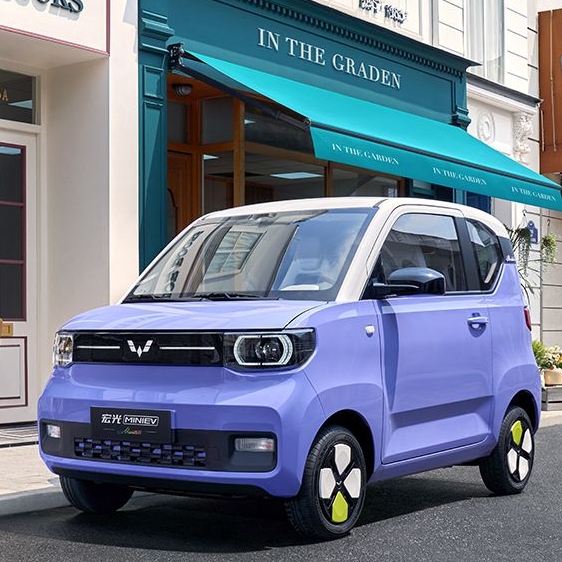
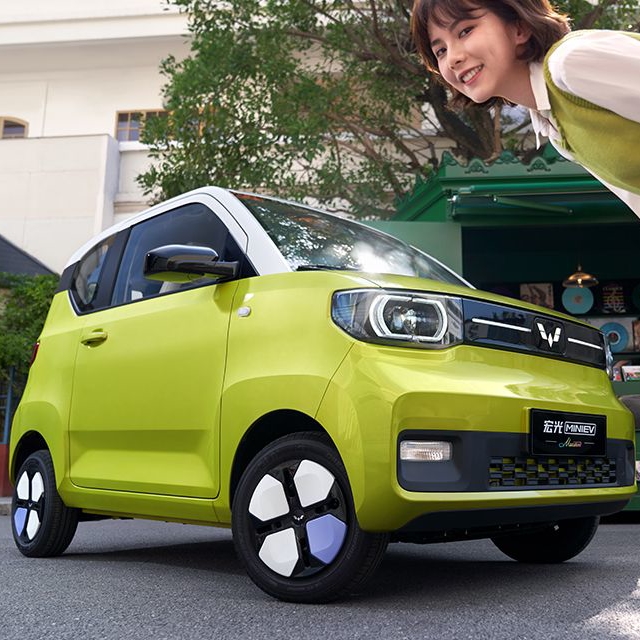
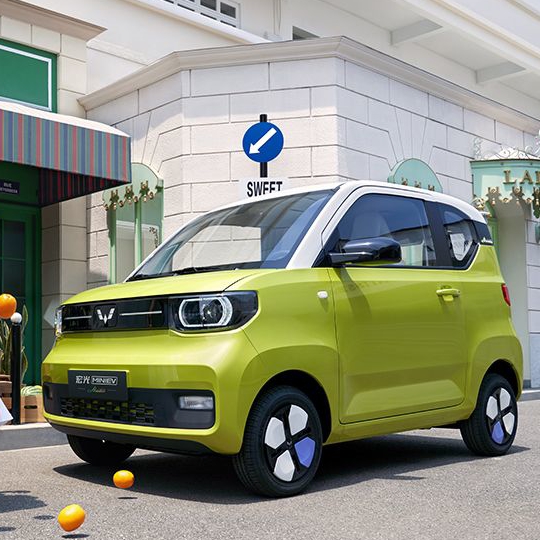
This policy evolution coincides with a market where electric vehicles no longer rely solely on financial incentives to attract buyers. Their inherent product strengths now play a dominant role.
Space and Design Efficiency: One of the core advantages of a dedicated electric vehicle platform is packaging efficiency. Without a large engine block, designers can maximize cabin space relative to the car's footprint. It's common for a mid-size electric vehicle sedan to offer interior room and legspace rivaling that of a traditional full-size automobile. The flat floor and often longer wheelbase contribute significantly to passenger comfort, making the modern new energy car a compelling family vehicle.
Feature-Rich Configurations as Standard: Today's battery car is typically a technology flagship. Features that were once luxury add-ons in conventional cars are now common in EVs. This includes expansive glass roofs that enhance the sense of space, advanced heat pump climate systems for efficient cabin heating, and comprehensive digital cockpits with large, intuitive touchscreens. The powertrain itself is a selling point, with many models offering dual-motor all-wheel drive and rapid acceleration as part of their base or mid-tier configuration.
The reintroduction of a purchase tax, even at a reduced rate, signals confidence in the market's strength and a strategic shift in policy focus.
A Market Coming of Age: Government statements indicate that the calibrated withdrawal of subsidies and tax breaks is intentional. The goal is to foster self-sufficiency and market-driven competition among electric vehicle manufacturers. The data supports this confidence: through the first seven months of this year, new energy cars accounted for a remarkable 45% of all new automobile sales in China, demonstrating robust consumer demand independent of full exemptions.
Strategic Considerations for Buyers: For consumers, the 2026-2027 period represents a final window of enhanced fiscal benefit. The policy clearly favors mainstream and premium-mid-range models priced below 300,000 RMB, which will enjoy the full value of the half-rate tax. It encourages manufacturers to compete on value and innovation within this popular segment. When evaluating any electric vehicle purchase in this new era, the total cost of ownership—which includes the purchase tax, but also lower fueling and maintenance costs—will be the key metric.