Welcome to Shandong Leto Automobile Technology Co., Ltd

Views: 0 Author: Li Publish Time: 2025-11-10 Origin: Site
China's export landscape faced a shift in October, as year-on-year growth turned negative due to base effects, according to recent customs data. Overall exports fell by 1.1% in dollar terms, marking the first decline since February. However, sectors like automobiles and integrated circuits demonstrated remarkable resilience, with exports surging by 34.0% and 26.9%, respectively. This contrast highlights how high-value products, including electric vehicles and new energy cars, are cushioning the impact of broader trade slowdowns. In this analysis, we delve into the factors behind these trends, with a special focus on the automotive industry's robust performance and the specific attributes—such as interior and exterior dimensions—that make Chinese cars competitive globally.
The primary reason for October's export contraction lies in the high base from the previous year. In 2024, typhoon disruptions caused export figures to skew, with September seeing lower numbers and October experiencing a compensatory spike. When adjusting for this base effect, the two-year average growth rate for exports remains steady at around 5.3% to 5.5%, indicating underlying stability. Additionally, external factors like U.S. tariff hikes have dampened demand from key markets, though diversification strategies have mitigated some of the declines. For instance, while exports to the U.S. fell, shipments to the EU, ASEAN, and Africa showed relative strength. This dynamic underscores the volatile nature of global trade, where base factors and geopolitical shifts can quickly alter monthly figures.
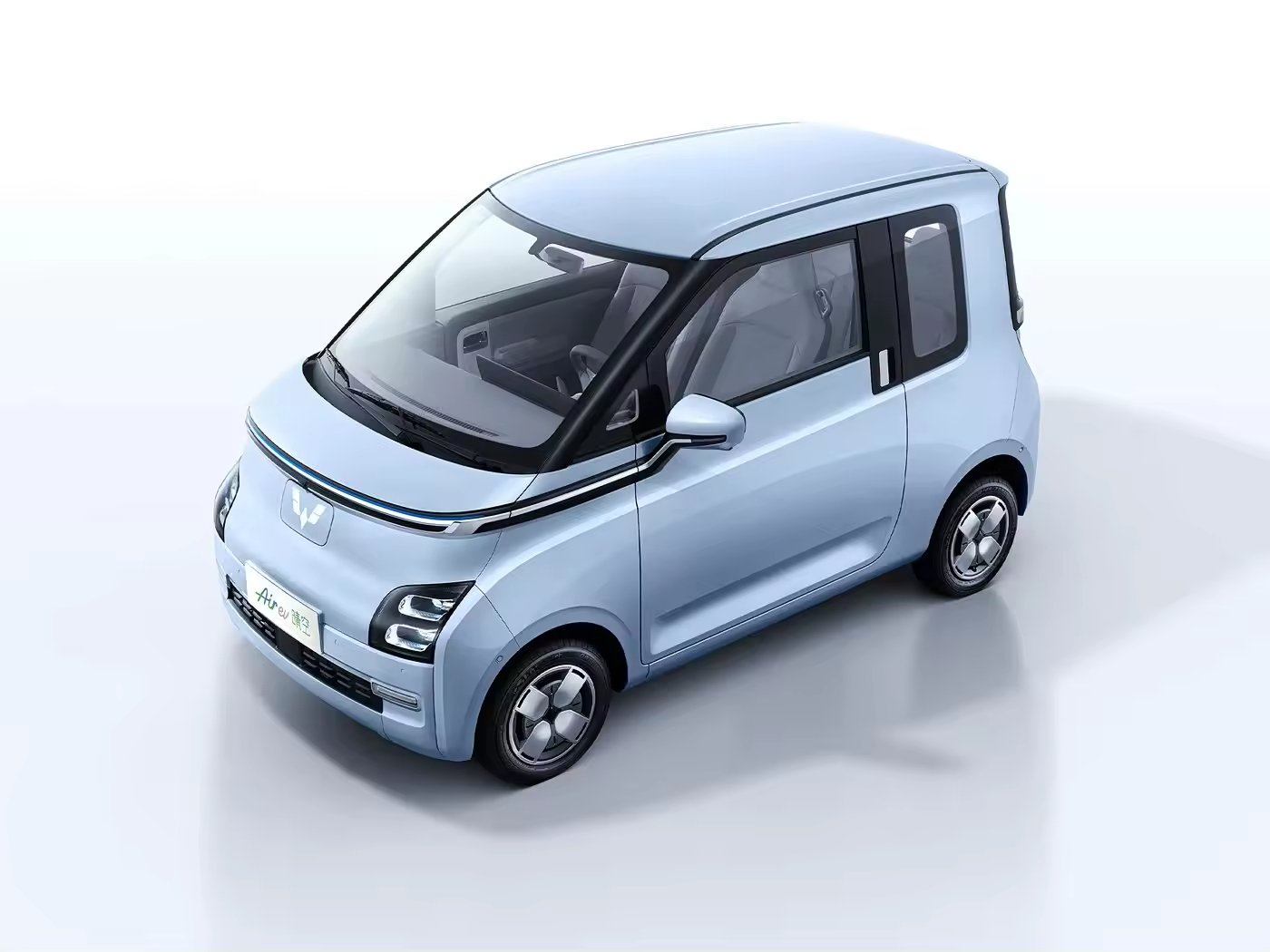
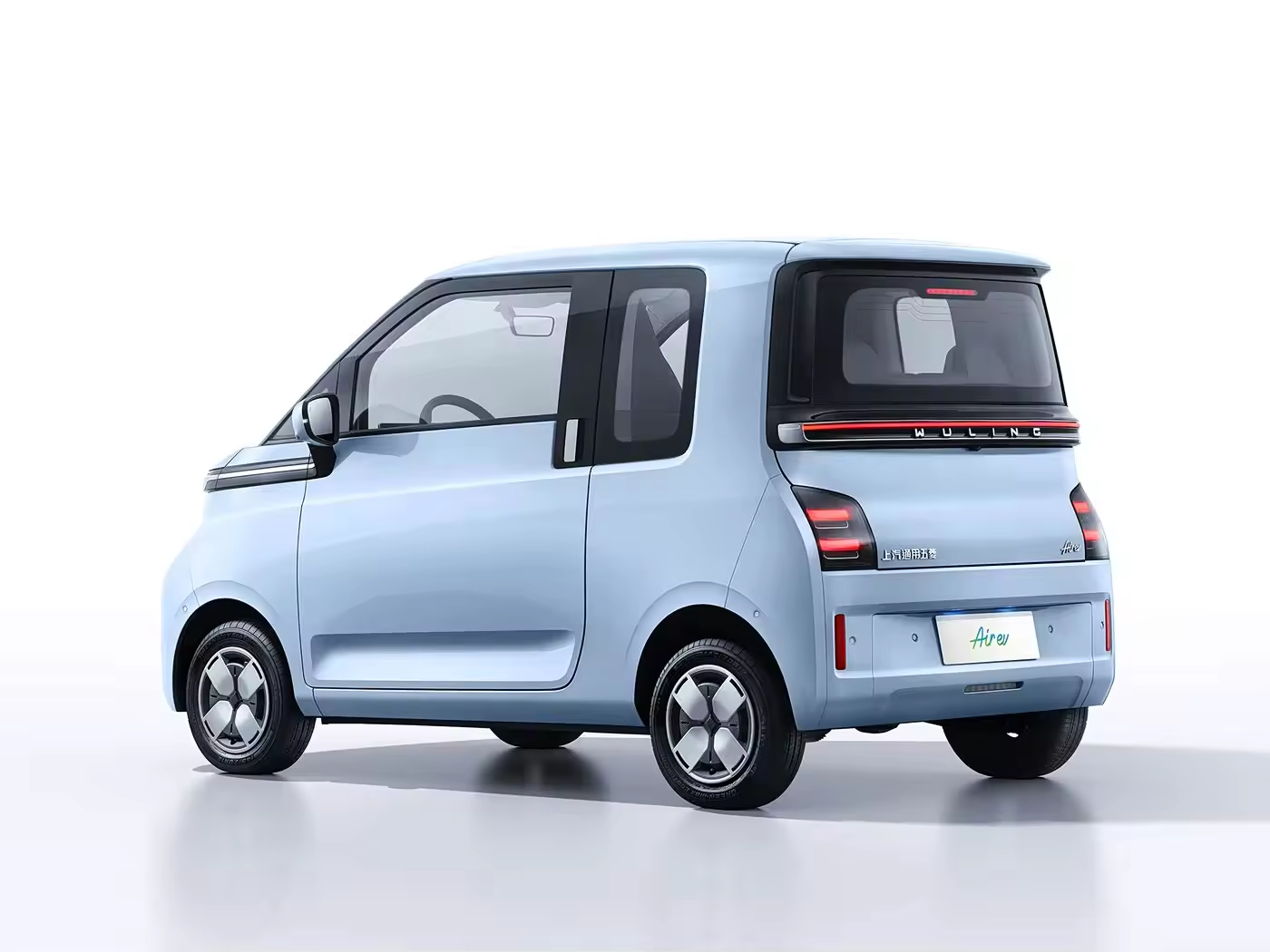
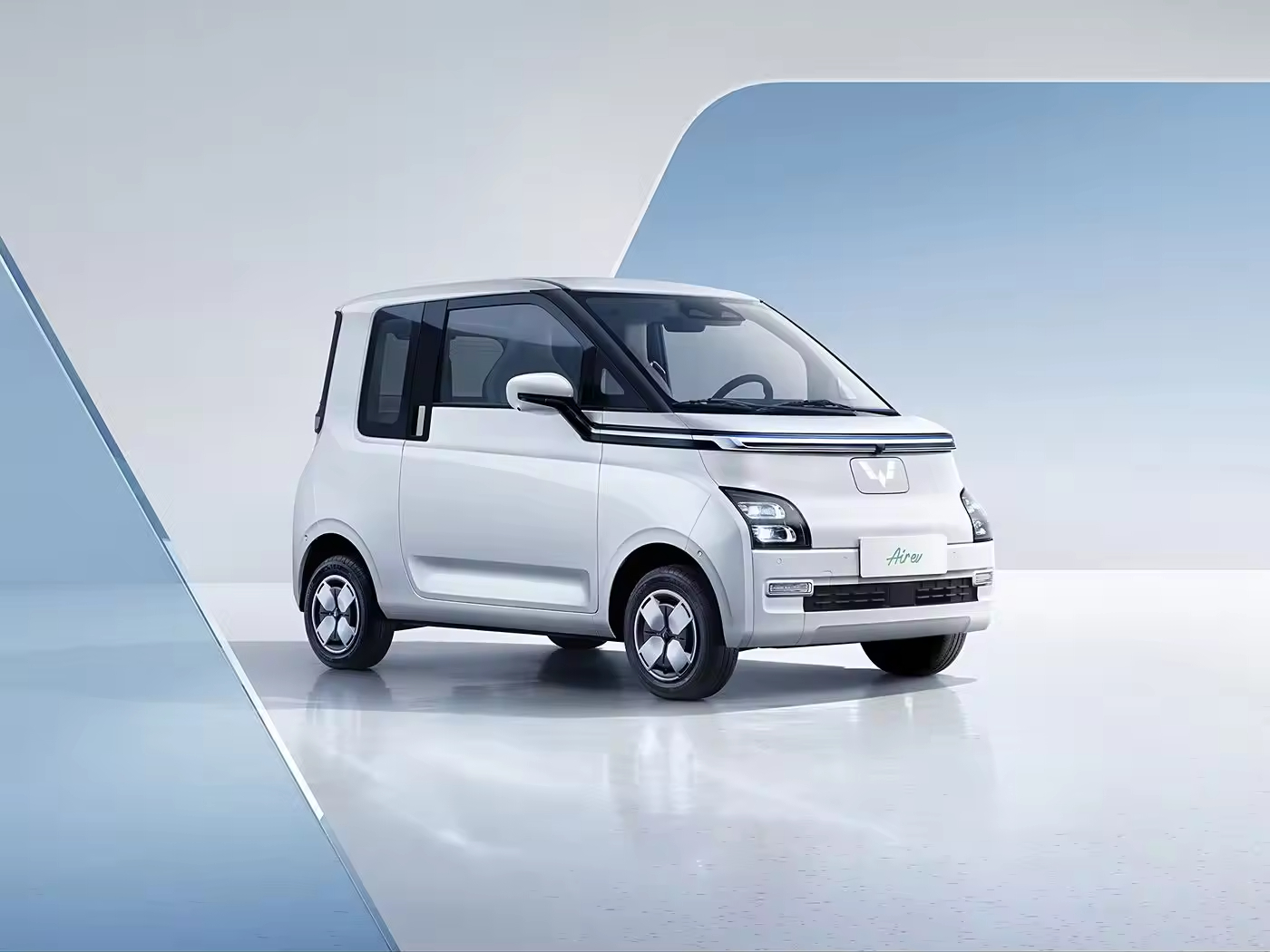
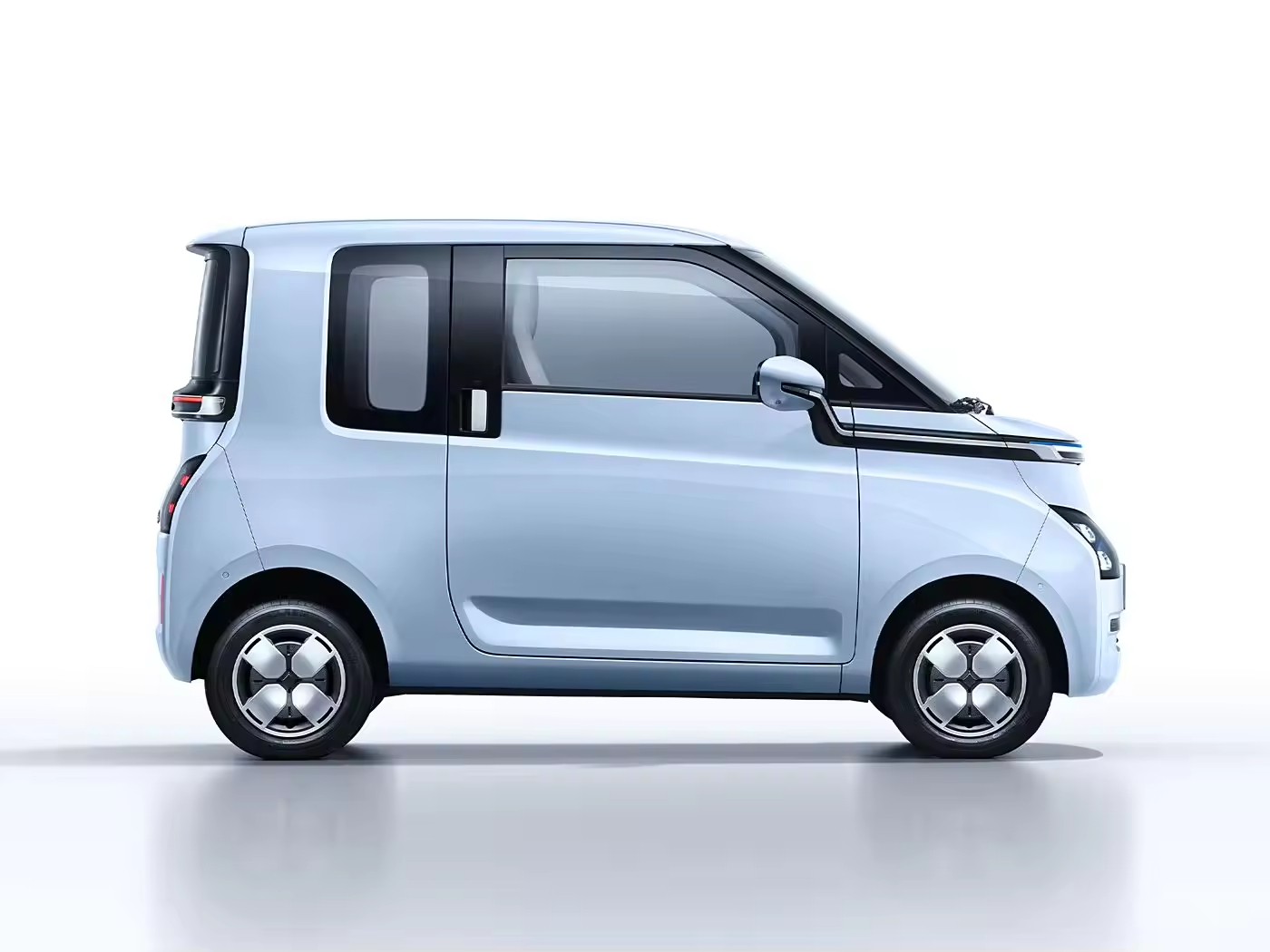
Despite the overall dip, automobile exports—particularly electric vehicles and battery cars—have been a bright spot. The 34.0% growth in auto exports reflects strong global demand for China's automotive innovations, including new energy cars and traditional automobiles. Similarly, integrated circuit shipments rose by 26.9%, fueled by global AI investments and China's manufacturing upgrades. This resilience isn't accidental; it stems from strategic focus on high-growth sectors. For example, electric vehicles and battery cars are gaining traction due to their advanced features and competitive pricing. In fact, many of these cars boast impressive specifications, such as spacious interiors and long-range capabilities, which appeal to international buyers. As the world shifts toward sustainability, Chinese-made new energy cars are positioned to lead the charge.
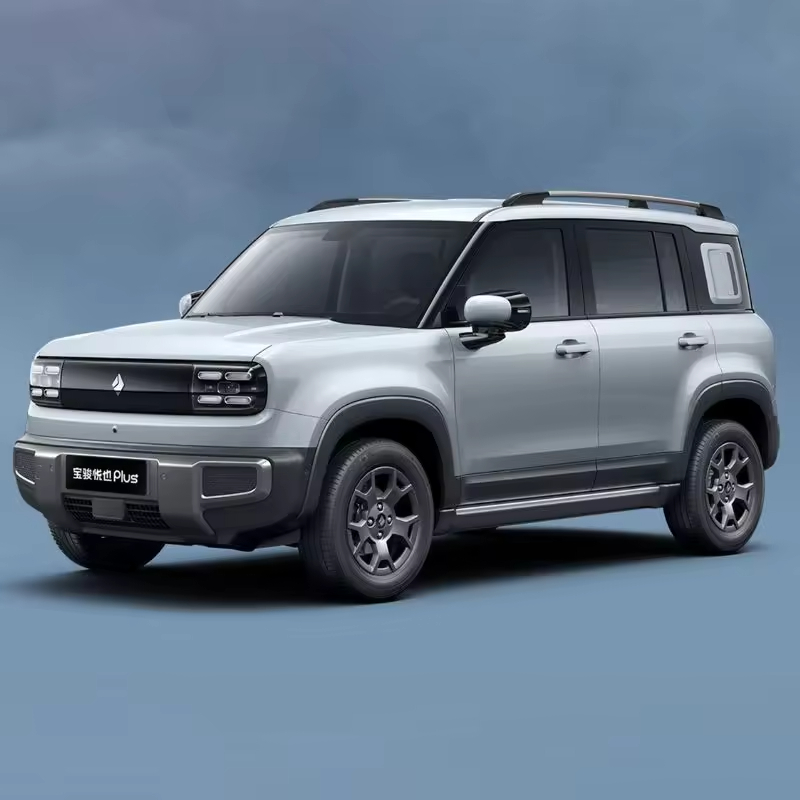
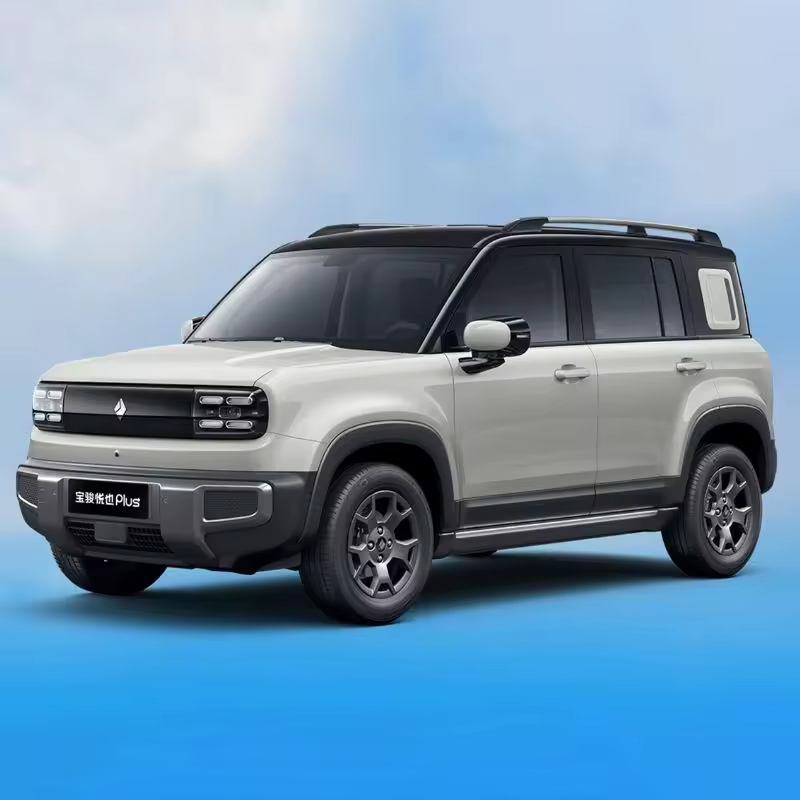
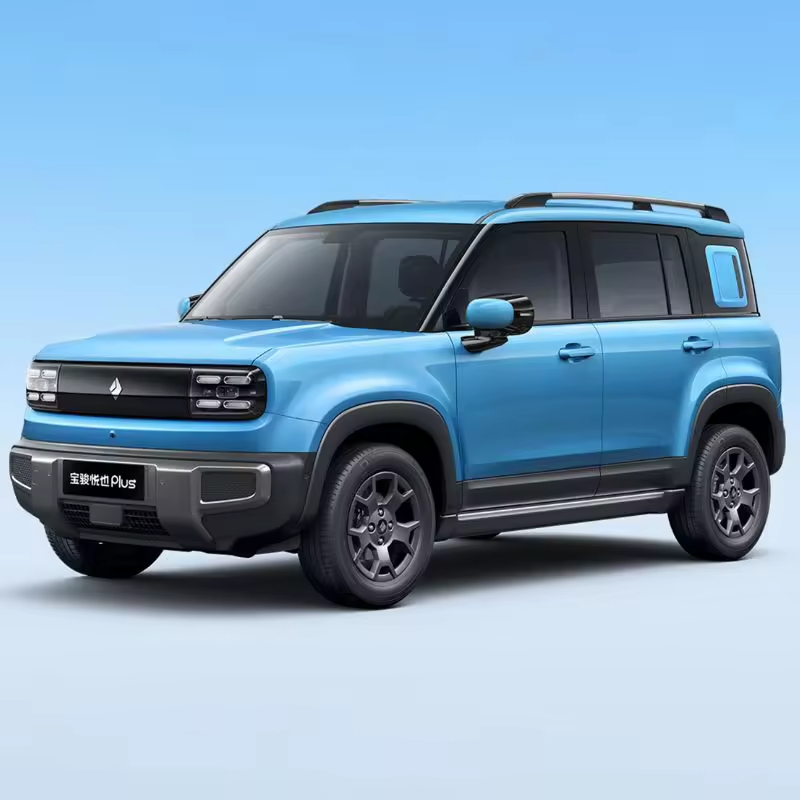

When it comes to automobiles, especially electric vehicles and new energy cars, China's exports stand out for their thoughtful design and configuration. Take a typical electric vehicle model: it often features an exterior length of around 4.7 meters, width of 1.85 meters, and height of 1.6 meters, providing a sleek yet practical profile. Inside, the cabin offers ample space with seating for five adults, legroom exceeding 40 inches, and cargo capacity of up to 500 liters, making it ideal for families or commercial use. Configurations include high-capacity battery packs—often 70 kWh or more—enabling ranges of over 400 kilometers on a single charge. Advanced features like regenerative braking, touchscreen infotainment systems, and autonomous driving aids are common in these cars. Moreover, battery cars emphasize safety with reinforced frames and multiple airbags, while new energy cars often incorporate fast-charging capabilities that replenish 80% of the battery in under 30 minutes. These attributes not only enhance the appeal of Chinese automobiles but also support the steady export growth in this category.